Coffee and drinks workshops in Dubai
Compare options by location, age and price.
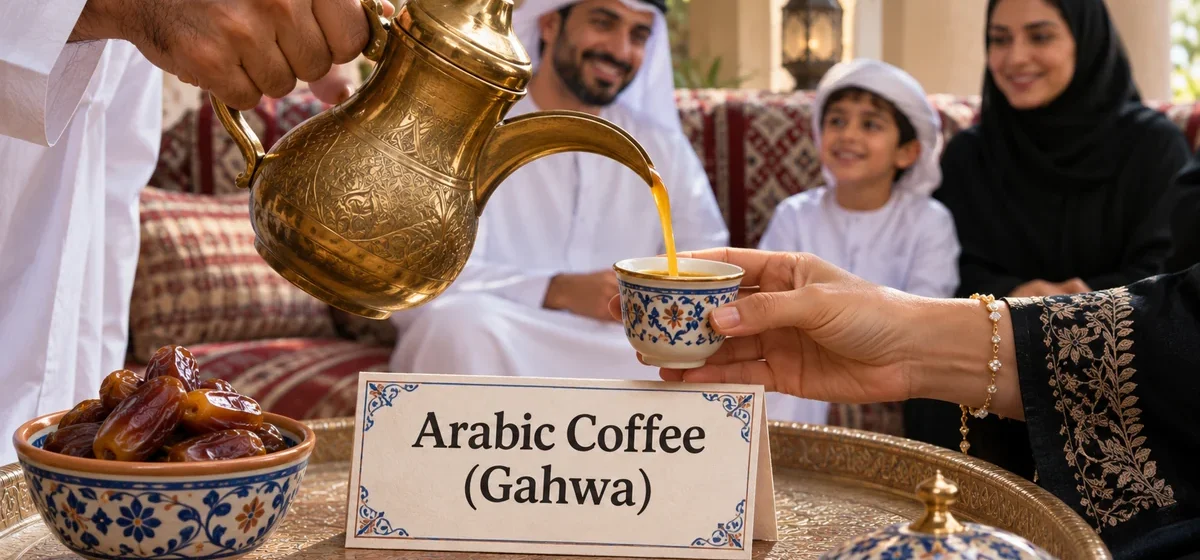
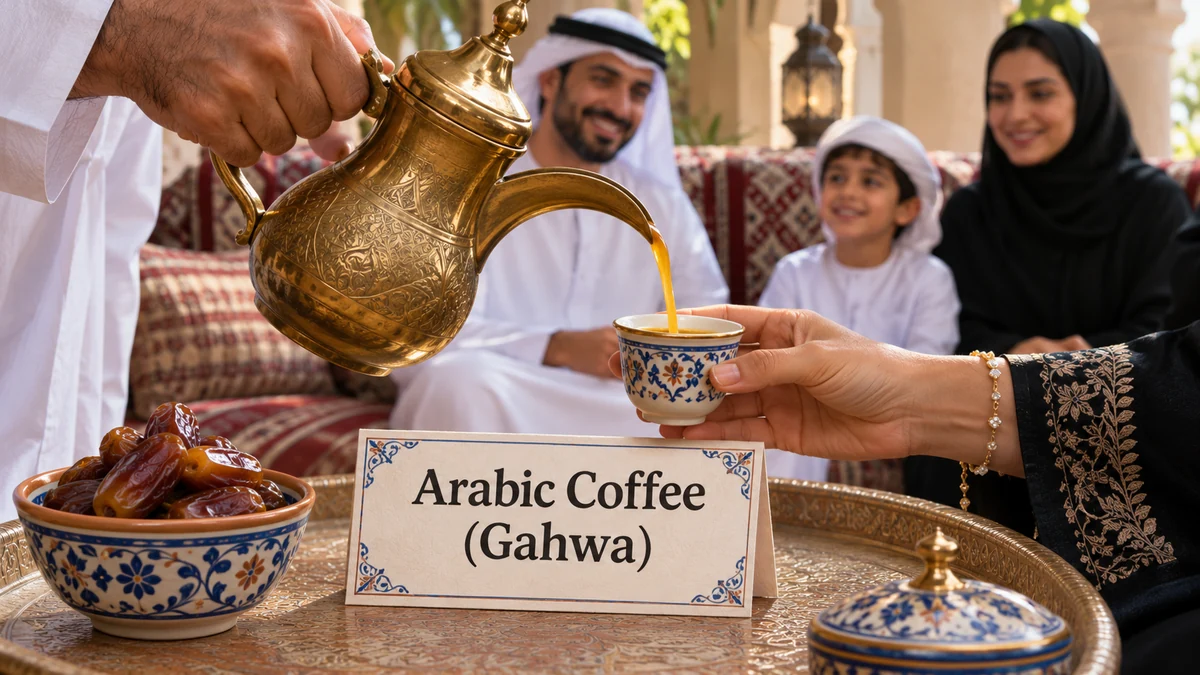
Browse drinks workshopsArabic coffee in the UAE is lightly roasted coffee boiled for 10 to 15 minutes and spiced with cardamom, often with saffron too. A brass pot called a dallah pours it into small handleless cups called finjan, filled only a third of the way, and served with dates.
Gahwa is the Emirati word for it, and it means more than a drink. In 2015, UNESCO listed Arabic coffee as a symbol of generosity, nominated jointly by the UAE with Saudi Arabia, Oman and Qatar. For hands-on learning in the kitchen, Pursueit lists cooking classes in Dubai, including coffee and drinks workshops.
With National Day, World of Coffee Dubai and Ramadan all coming up, gahwa is everywhere this season. This guide covers how Emirati coffee is made at home, why the cups are so small, and the etiquette every guest in the UAE should know.
Coffee and drinks workshops in Dubai
Swipe or scroll to compare classes.
How Is Arabic Coffee Made?
To make Arabic coffee, boil lightly roasted, coarsely ground beans in water for 10 to 15 minutes. Let the grounds settle, then pour the coffee over cardamom and saffron to steep. Milk and sugar never go in. The colour comes out golden-brown, much lighter than espresso, and the taste is gentle and spiced.
Families once roasted green beans in a pan over the fire, ground them in a brass mortar and boiled them in a dallah on the coals. Today, households buy ready-roasted beans and use a stove and a flask. Close enough.
Home method (serves 8 small cups)
| Ingredient | Amount |
|---|---|
| Water | 1 litre |
| Lightly roasted ground Arabic coffee | 4 tbsp |
| Ground cardamom | 1 tbsp |
| Saffron | A small pinch |
| Rose water or 2 cloves (optional) | 1 tsp or 2 |
- Bring the water to a boil in a pot or dallah.
- Stir in the coffee and simmer on low heat for 10 to 15 minutes. Watch it, since it foams up and boils over fast.
- Take it off the heat and wait 3 minutes so the grounds sink.
- Put the cardamom and saffron in a thermos flask or a second dallah.
- Pour the coffee in slowly through a fine strainer, leaving the grounds behind.
- Steep for 5 minutes, then serve with dates.
Play with the ratio. Taste as you go. Some families use 2 tbsp of cardamom for a stronger perfume, and the coffee in some emirates leans darker. Saffron gives the golden tint that guests notice first.
Love coffee and want to learn the craft side too?
The Latte Art Workshop at Al Barajeel Oasis Complex, Mirdif, costs AED 249 on Pursueit, for ages 16 and up, with dates running from mid-November.
Book Latte ArtWhy Is Arabic Coffee Served in Small Cups?
Small cups let the host keep pouring fresh, hot coffee and keep the guest company. A finjan holds only a few sips and is filled about a third full. Refilling it again and again is the point, because each pour shows the guest they are welcome to stay.
Small cups keep the coffee hot as well. The coffee cools fast once poured, and a sip or two is gone before it does. The taste is strong in perfume but light in body, so a full mug would feel like too much.
Dates sit beside the coffee for a reason. Their sweetness balances the slight bitterness of the beans and spice, and since gahwa has no sugar, the date does that job.
What Is the Etiquette for Drinking Gahwa in the UAE?
The host holds the dallah in the left hand and serves the cup with the right, starting with the eldest or most senior guest. The guest takes the cup with the right hand. One to three cups is normal. To signal that you have had enough, shake the empty cup gently from side to side.
| Moment | What happens | What the guest does |
|---|---|---|
| Arrival | Coffee comes out soon after guests sit down | Accept the first cup, since refusing can seem rude |
| Who goes first | The eldest or most senior guest, then around the room | Wait your turn |
| Holding the cup | Right hand only | Take and return it with the right hand |
| How full | About a third of the cup | Drink in a few small sips |
| Refills | The server waits beside you with the pot | Hold out the cup for more |
| Finishing | Shake the cup side to side | The server takes it and moves on |
| With food | Dates, sometimes sweets | Eat a date between sips |
Visitors forget the cup shake. Often. Holding out an empty cup without shaking it means "more, please", and a polite host keeps pouring. A small, quick wiggle stops the refills. Hand the cup back to the server, and keep it off the table. If you want one more, simply hold it out. Hosts notice everything, so a third cup is a compliment, and a fourth is fine at a long majlis.
These customs are alive and well. Majlis gatherings and family visits start with coffee, and at a wedding the servers can walk the hall with a dallah for hours, refilling cups for hundreds of guests. Every time. Abu Dhabi's culture department runs Bait Al Gahwa, a coffee house programme that teaches the history and preparation to visitors.
What Is the Difference Between Arabic Coffee and Turkish Coffee?
Gulf-style coffee uses lightly roasted beans boiled for 10 to 15 minutes, strained and spiced with cardamom, with no sugar. Turkish coffee uses dark-roasted beans ground to a fine powder, brewed briefly in a small pot often with sugar, and served unstrained so the grounds settle in the cup.
They look different too. Gahwa is golden and thin. Turkish coffee is almost black, with a thick foam on top.
Levantine homes in Dubai often serve the darker Turkish style. Emirati and Saudi homes serve the light, spiced gahwa. At a hotel or majlis in the UAE, the golden one in the brass pot is gahwa.
For the espresso side of coffee, a barista-led class teaches milk texture and pouring. Pursueit lists latte art classes in Mirdif with set dates through November.
| Drinks class on Pursueit | Where | Age | Price |
|---|---|---|---|
| Latte Art Workshop | Al Barajeel Oasis Complex, Mirdif | 16+ | AED 249 |
| Intro To Matcha | Al Barajeel Oasis Complex, Mirdif | 16+ | AED 299 |
| Mocktail Workshop | Al Barajeel Oasis Complex, Mirdif | 18+ | AED 350 |
Hosting friends this winter?
The Mocktail Workshop in Mirdif costs AED 350 for one session on Pursueit, and pairs well with a pot of homemade gahwa.
Book the Mocktail WorkshopWhat Coffee Events Are Coming Up in the UAE?
World of Coffee Dubai returns to Dubai World Trade Centre from 26 to 28 January 2027, its sixth and largest edition. Before that, UAE National Day on 2 December fills majlis gatherings with gahwa. Ramadan, expected from 8 February 2027, opens every iftar with dates and Arabic coffee.
| Event | Dates | Where | Why go |
|---|---|---|---|
| UAE National Day | Wednesday 2 December 2026 | Across the UAE | Gahwa and dates at every majlis |
| Sheikh Zayed Festival | Until 14 March 2027 | Al Wathba, Abu Dhabi | Heritage coffee corners in the evenings |
| World of Coffee Dubai | 26 to 28 January 2027 | Dubai World Trade Centre | Roasters, baristas, tastings |
| Ramadan (expected) | From about 8 February 2027 | Across the UAE | Iftar opens with dates and coffee |
The WAM event report says it brings every link in the coffee chain under one roof, from farms to cafes. Coffee lovers can taste specialty Arabic roasts beside espresso blends. Bring an appetite for cardamom. Check the ticket page for public access before you go.
Hosting during Ramadan? Brew the gahwa in the afternoon and keep it in a flask, where it holds heat for hours, so the first cup is ready the moment the fast breaks. Simple.
More ways to learn about drinks
Swipe or scroll to compare classes.
Frequently Asked Questions
1. Does Arabic coffee have caffeine?
Yes, though usually less per serving than a regular coffee. The beans are lightly roasted and the cups are tiny, at about 30 ml each. Three cups of gahwa carry roughly the caffeine of a small cup of filter coffee, depending on the strength. Anyone limiting caffeine can stop after one cup with a shake of the finjan.
2. What does Arabic coffee taste like?
It tastes light and slightly bitter, strongly perfumed with cardamom. Saffron adds a faint floral note and a golden colour, and one cup holds about 30 ml. With no sugar or milk in the pot, dates bring the sweetness. First-time drinkers often compare it to a spiced tea more than to espresso.
3. Why do you shake the cup after drinking gahwa?
Shaking the empty finjan from side to side tells the host you have had enough. Without the shake, an empty cup held out means you want more, and the server will keep refilling it. A gentle wiggle of 2 or 3 small movements is enough, and the cup goes back with your right hand.
4. Where can you try Arabic coffee in Dubai?
Many hotel lobbies and government offices serve it free, and so does almost every majlis. Heritage cafes in Al Fahidi and Al Seef serve it with dates. The Sheikh Mohammed Centre for Cultural Understanding pours it during its cultural meals, which last about 90 minutes and include a talk on Emirati customs.
5. Is Arabic coffee the same as Saudi coffee?
They are the same family. In 2022, Saudi Arabia's Ministry of Culture began calling its version Saudi coffee, which uses similar light roasts and cardamom. Emirati gahwa often adds saffron. Recipes vary by family and region in both countries, so no two pots taste quite the same.
Ready to Book?
Brew a pot this weekend with the 6-step method, then pick up a new coffee skill with a hands-on class. Drinks workshops on Pursueit start from AED 249.
Browse Cooking Classes